Is the Denver real estate market one market?
No. It behaves like at least three: estate homes in places like Cherry Hills Village, established central neighborhoods where many homes trade near or above $1 million, and character neighborhoods with entry points below that. Each tier moves at its own speed, prices on different evidence and rewards a different strategy, so a single metro headline rarely describes your home.
Ask how the Denver real estate market is doing and the answer depends on which part of it you mean. A headline about falling sales can sit beside a month where homes above $1 million sold faster than everything else. For anyone buying or selling with real money on the line, the useful question is which tier your home sits in and how that tier is behaving right now.
Here is the framework we use, the current numbers behind it, and what it means for pricing, timing and negotiation.
Why does Denver behave like three markets?
Price is only part of it. The tiers differ in who the buyers are, how many comparable sales exist, how long homes take to sell and how much room there is to negotiate. The DMAR Market Trends Report for September 2026 shows the split clearly. Across the metro, closed sales fell 21.39 percent year over year to 2,849 and the median home spent 32 days in the MLS. Homes at $1 million and above went the other way: closed sales were up 1.99 percent for the year to date, at 4,449, and those listings spent a median of 21 days in the MLS in September, with detached homes in that range at 19 days.
Source: Denver Metro Association of Realtors, September 2026 Market Trends Report. Figures cover all reported sales in the area, not necessarily sales by Sara Garza, Donna Ryan or LIV Sotheby’s International Realty.
In other words, the upper end and the rest of the market were not having the same year. Treating them as one leads to the wrong list price, the wrong offer or the wrong timing.
What defines the estate tier?
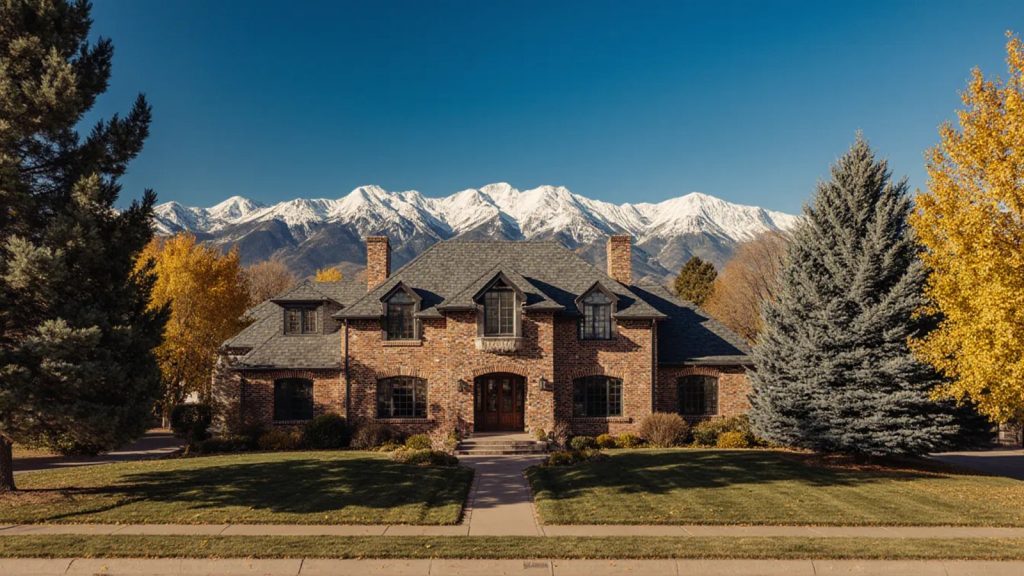
At the top are the estate enclaves: Cherry Hills Village, parts of Greenwood Village and a handful of streets inside Denver itself. Homes here sit on large lots, often an acre or more, and many are custom built or extensively rebuilt. Few homes sell in any given month, so each sale carries a lot of weight and comparable sales can be months old or quite different from the home being priced.
The Colorado Association of REALTORS Local Market Update for September 2026, published in DMAR’s City and County Market Trends Reports, gives a sense of scale for single family homes:
| Single family, year to date through September 2026 | Cherry Hills Village | Greenwood Village |
|---|---|---|
| Median sales price | $3,500,000 | $2,050,000 |
| Homes sold | 61 | 92 |
| Days on market until sale | 68 | 46 |
| Percent of list price received | 95.8 percent | 97.8 percent |
Source: Colorado Association of REALTORS Local Market Updates for Cherry Hills Village and Greenwood Village, September 2026, in the Denver Metro Association of Realtors City and County Market Trends Reports. Figures cover all reported sales in the area, not necessarily sales by Sara Garza, Donna Ryan or LIV Sotheby’s International Realty.
Two things stand out. Homes take longer to sell here than the metro median, and sellers in Cherry Hills Village received a smaller share of their asking price on average than sellers across Denver. That is normal for this tier. Pricing rests less on a tidy set of comparables and more on the land, the quality of the build and what a specific home offers a specific buyer. Patience, discretion and careful pricing matter more here than anywhere else, and some homes change hands quietly without a public listing.
What defines the established central tier?
The middle tier is Denver’s established core: neighborhoods like Washington Park, Hilltop, Cherry Creek and Belcaro. Many homes here trade near or above $1 million, from renovated bungalows and Tudors to new builds on scraped lots and condos in Cherry Creek North. These neighborhoods are fully built out, and owners tend to stay a long time, so the supply of homes for sale stays thin.
Public reports do not break out these neighborhoods on their own, so we describe them in words rather than estimate their numbers. What the metro data does show is the price range they sit in moving quickly this fall: homes at $1 million and above spent a median of 21 days in the MLS in September, against 32 days across the market, per the DMAR report cited above. In practice, a well presented home that is priced in line with recent sales on comparable blocks tends to draw serious buyers early. One that is priced above its comparables tends to sit, because buyers in this range compare carefully and have time.
What defines the character tier?
The third tier is the set of neighborhoods with strong architecture and walkable streets at entry points below the established core: LoHi, Congress Park, Park Hill and Mayfair. Prices vary widely block to block and by home type, from postwar ranches and cottages to foursquares, Tudors and new townhomes.
For context, the median single family sale in the City and County of Denver in September 2026 was $627,500, and the year to date median was $679,450, per the Colorado Association of REALTORS Local Market Update for Denver in the DMAR City and County reports cited above. Homes in this tier often sit around or above that citywide figure depending on size, condition and lot. This is the tier most sensitive to mortgage rates and to the broader market, so it tends to feel shifts in rates first.
How does the tier change your strategy?
| Question | Estate tier | Established central tier | Character tier |
|---|---|---|---|
| What drives price | Land, build quality, privacy, the specific home | Recent sales on comparable blocks, condition, lot | Recent sales, condition, rates and buyer budgets |
| Typical pace | Slower; few sales a month | Fast for well priced homes | Varies with the season and rates |
| Room to negotiate | More, case by case | Less when inventory is thin | More when inventory builds |
| Seller priority | Pricing evidence, discretion, the right buyer | Pricing to the comparables from day one | Condition and presentation |
| Buyer priority | Lot, rebuild potential, inspections | Moving quickly with financing ready | Rate planning and inspection detail |
For sellers, the tier sets how much evidence a list price needs and how long a reasonable sale takes. For buyers, it sets how fast to move and how hard to negotiate. We usually advise sellers in the estate tier to expect a longer timeline and to price with care, and buyers in the established tier to have financing settled before they tour, because well priced homes there tend to sell early.
How will the tiers behave this winter?
The DMAR report notes that active listings usually taper through the fourth quarter and some sellers pull their homes for the holidays, which leaves fewer competing homes for the buyers who stay in the market. It also shows metro inventory at 13,567 active listings at the end of September, with 4.76 months of inventory overall. Rates were higher at the end of September than in August, according to the same report, which weighs most on the character tier.
Nobody can promise where prices go from here. What we watch each month is whether the upper tiers keep moving faster than the market as a whole, and whether inventory in the character tier keeps building. If you are deciding when to sell, our guide to reading market numbers explains how to track your own tier.
If you would like to know where your home sits and what that means for your plans, we are glad to prepare a home value report or talk it through in a private consultation.
Frequently Asked Questions
Is the Denver real estate market slowing down?
It depends on the price range. In the DMAR September 2026 report, metro closed sales fell 21.39 percent year over year, while homes at $1 million and above saw year to date sales rise 1.99 percent and sold in a median of 21 days. The upper end and the rest of the market moved in different directions.
Why do homes in Cherry Hills Village take longer to sell?
Few estate homes sell in any month, each one is different, and the pool of buyers at those prices is small. The Colorado Association of REALTORS update for September 2026 put the year to date days on market for single family homes in Cherry Hills Village at 68, longer than the metro median.
Which tier is most affected by mortgage rates?
The character tier, where more buyers finance a larger share of the price and monthly payments decide what they can afford. Higher rates narrow their budgets quickly. Buyers in the estate tier are more likely to pay cash or put down large amounts, so rates matter less to them.